

World Cup 2026 Faces Controversy as Players and Fans Encounter Entry Issues
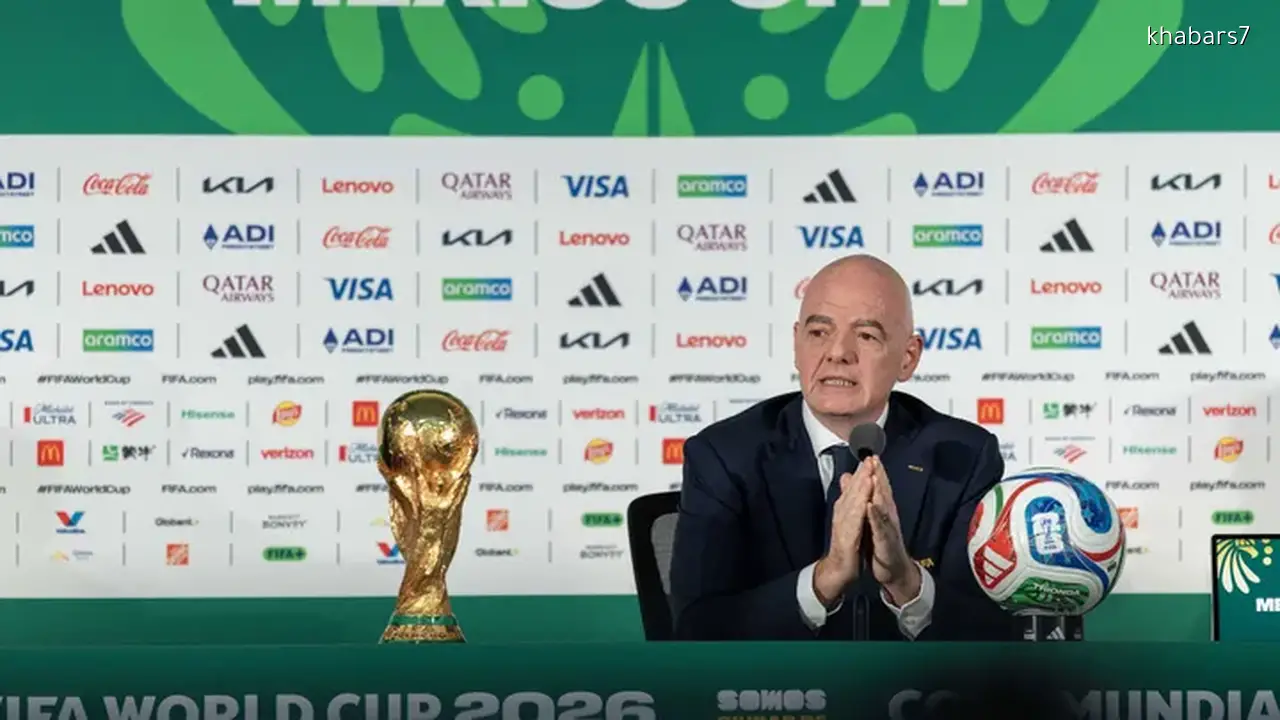
The upcoming 2026 World Cup, co-hosted by the United States under President Donald Trump, is marred by controversies and entry issues just days before the tournament begins.
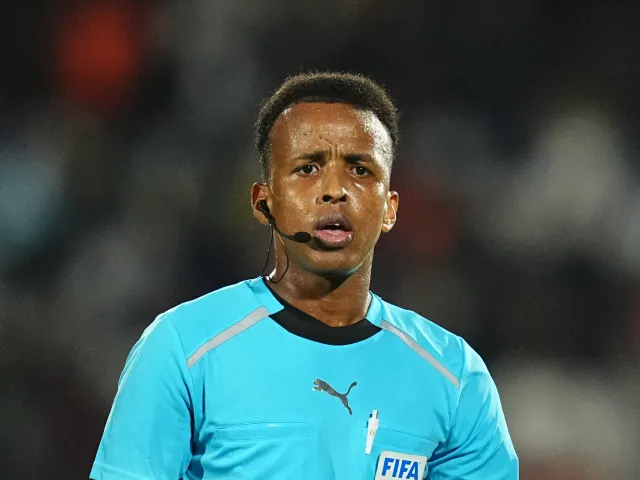
In a shocking turn of events, Somali referee Omar Artan, named African referee of the year at the CAF Awards last November, was denied entry into the U.S. just 72 hours before the opening match. Despite holding a Somali diplomatic passport, he was turned away due to his country’s status on a list of barred nations established by the Trump administration.
The U.S. authorities cited concerns over verifying Artan’s background as justification for their decision, raising eyebrows over what could possibly be concealed by a football referee.
Players Treated Like Criminals
© Imago / AOP.Press / Manuel Blondeau.
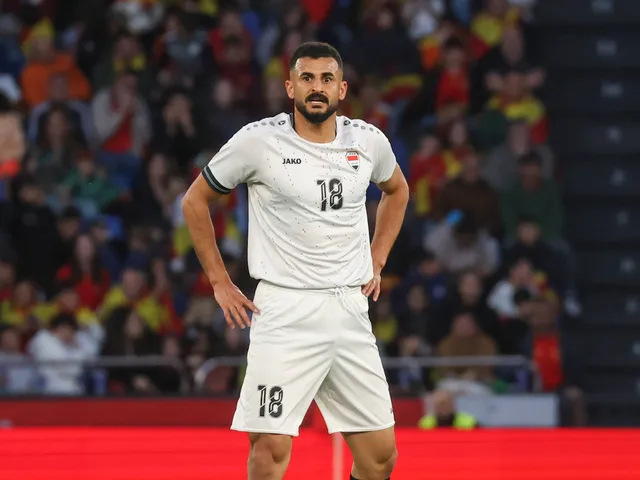
Iraq’s captain Aymen Hussein faced a grueling interrogation upon arrival in Chicago, spending nearly seven hours answering questions from U.S. authorities. His family’s tragic history—his father was killed by ISIS and his brother kidnapped—did not exempt him from scrutiny.
Meanwhile, players from Senegal and Uzbekistan successfully navigated their security checks but were subjected to metal detector screenings that felt more appropriate for criminals than professional athletes.
In stark contrast to these experiences, Iranian fans faced disappointment when the Iranian football federation revealed that U.S. officials had unexpectedly revoked the ticket quota allocated to their national team, depriving them of support at the tournament.
A Party Without Supporters
This development highlights how certain nations, including Haiti, will have no supporters attending due to their inclusion on Trump’s blacklist. Scottish fans also faced frustration after being denied entry without explanation when their ESTA applications were rejected despite having made travel arrangements.
While African football has encountered various scandals off the pitch in recent years, the absurdity of these incidents occurring on such a global stage is particularly striking.
FIFA’s Silence on Artan’s Situation
© Imago / DeFodi Images.
The situation is further complicated by FIFA’s lack of response regarding Artan’s denial of entry. The governing body of world football issued a brief statement indicating it does not interfere with immigration procedures in host countries. This response starkly contrasts with FIFA President Gianni Infantino’s previous assertions that all teams and their supporters should have access to host nations for World Cup events.
Since then, FIFA has only secured minor concessions from the Trump administration, such as eliminating a hefty bond requirement for certain African supporters upon arrival in the U.S., which FIFA touted as evidence of its collaboration with U.S. authorities.
FIFA Prioritizes Financial Interests
Ultimately, FIFA appears primarily concerned with its financial interests and maintaining good relations with its powerful host nation. The question remains: how would FIFA react if U.S. authorities decided to deny entry to another national team based on arbitrary health protocols?
If such a scenario were to arise, would FIFA offer only a minimal statement like it did for Artan? Or would it take decisive action due to potential revenue losses from canceled matches? For now, fans and players alike hope such issues do not escalate further as the tournament approaches.
Comments