

EgyptAir to Add 28 New Aircraft by 2027, Minister Says
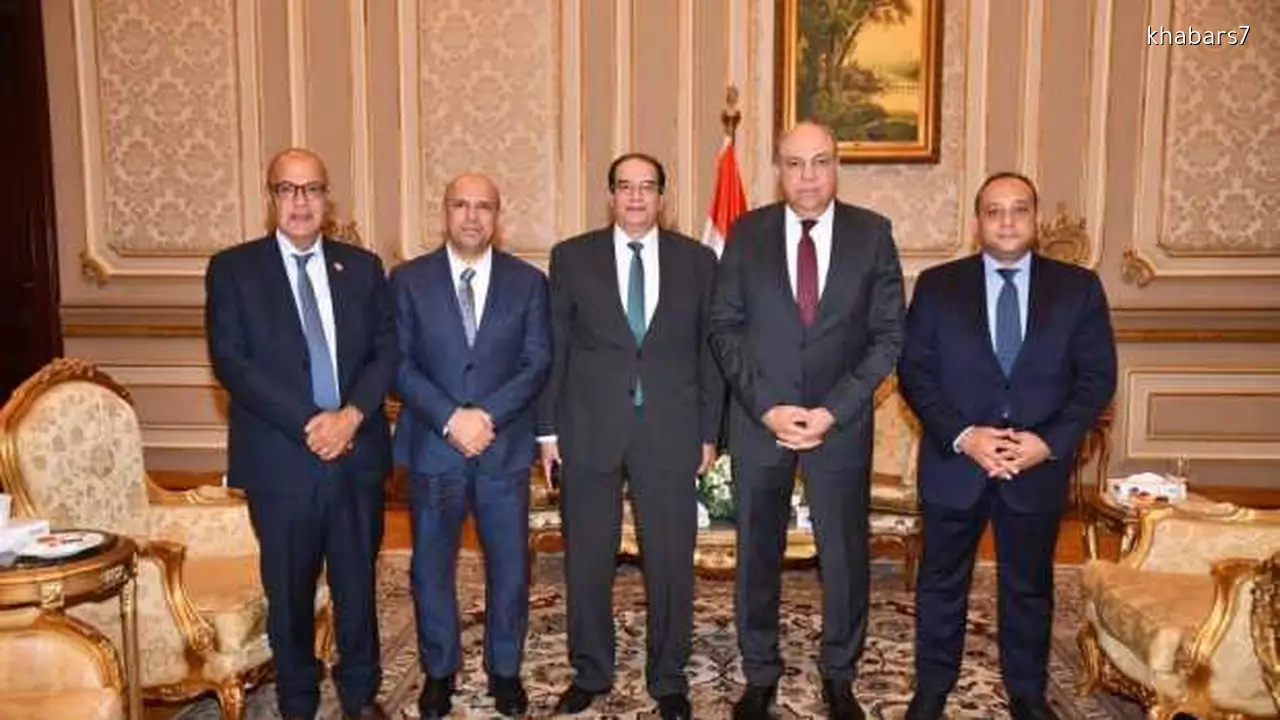
Dr. Samah Hefni, the Minister of Civil Aviation, participated in a meeting of the Housing, Local Administration, and Transport Committee in the Senate, chaired by MP Dr. Ahmed El Shaarawy. The meeting also included committee deputies Akmal Farouk and Ali El Sayyed Kewan, engineer Ahmed Sabour as Secretary of the Committee, and other members to present the ministry’s strategy in line with Egypt’s national goals and discuss several proposals from lawmakers.
At the start of the meeting, Hefni outlined the strategic vision for the ministry aimed at developing the aviation sector amid rapid global changes in air transport. He emphasized that the work plan focuses on modernizing EgyptAir’s fleet, enhancing Egyptian airports’ capacity, and improving service quality for travelers. These efforts aim to boost competitiveness in the sector while increasing operational efficiency and fostering private sector participation through an attractive investment environment. Additionally, there is a commitment to developing and training human resources within civil aviation.
Regarding EgyptAir’s development, Hefni noted that this is a key component of the ministry’s strategy. He mentioned that the airline has faced significant challenges over recent years due to currency fluctuations, rising foreign currency obligations, and the impacts of the COVID-19 pandemic. However, he stated that EgyptAir has recently managed to significantly reduce its accumulated losses and aims to eliminate these losses within four years while improving financial and operational performance. The airline achieved positive financial results for the fiscal year 2024-2025.
Currently, EgyptAir operates a fleet of 72 aircraft and is continuing its modernization plan with an expected addition of 28 new aircraft in 2026 and 2027 as part of a comprehensive expansion program. This initiative aims to increase its fleet size to approximately 125 aircraft in upcoming years, supporting an expanded network of routes and opening new destinations while contributing to Egypt’s goal of attracting 30 million tourists annually as outlined in Vision 2030.
The plan also includes refurbishing 19 Boeing B737-800 aircraft and executing several developmental projects aimed at maximizing asset utilization and enhancing operational efficiency in light of recent global supply chain challenges affecting air transport.
Furthermore, improvements are set for customer service systems including a revamped call center and updates to EgyptAir’s website to facilitate more efficient booking processes and electronic services for travelers. These enhancements will improve travel experiences by providing advanced digital channels that meet customer needs around the clock.
Hefni reaffirmed that EgyptAir maintains its position among major global airlines through its membership in Star Alliance, one of the world’s largest airline alliances comprising leading international carriers. He pointed out that continued membership requires adherence to strict operational standards subject to regular review.
The airline also undergoes independent international evaluations by Skytrax, a prominent organization specializing in civil aviation assessments based on service quality standards, travel experience, and operational performance.
Hefni noted that while EgyptAir previously fell outside the top 100 global airlines list, it has made a strong comeback in international rankings. According to Skytrax’s global ranking for 2025, it received several awards reflecting continuous improvements in passenger services and advanced to rank 68 among the world’s top airlines. This progress underscores successful development strategies designed to enhance competitiveness and solidify its position among leading airlines both internationally and regionally.
Additionally, he mentioned that Air Cairo—EgyptAir’s economic arm—currently operates a fleet of 42 aircraft with plans to expand this number to 82 over four years. This growth will enhance both airlines’ route networks through integration after successfully transforming Hurghada Airport into a hub accommodating about 20% of total tourist traffic entering Egypt.
On airport development initiatives, Hefni explained that the ministry is working on involving private sector participation in management operations while leveraging specialized global expertise. Successful partnerships have already been established at several airports including Marsa Alam Airport.
The ministry is collaborating with the International Finance Corporation (IFC) to study optimal global models for airport management and operations; Hurghada International Airport is set as a pilot project under this competitive approach.
The meeting also addressed various requests and proposals from senators regarding enhancements in civil aviation services and Egyptian airports. The Minister expressed his commitment to positively engaging with these proposals to support development plans aimed at elevating service levels for citizens.
In conclusion, Dr. Samah Hefni expressed his sincere appreciation for committee members’ constructive insights into supporting and developing civil aviation. He underscored that ongoing coordination among state institutions enriches future development plans while enhancing the sector’s ability to adapt to global changes—ultimately supporting economic growth goals while reinforcing Egypt’s status as a leading regional air transport hub.
Comments