

Egypt to Connect Second Phase of Obelisk Solar Plant to Grid Soon, Aiming for 45% Renewable Energy Contribution
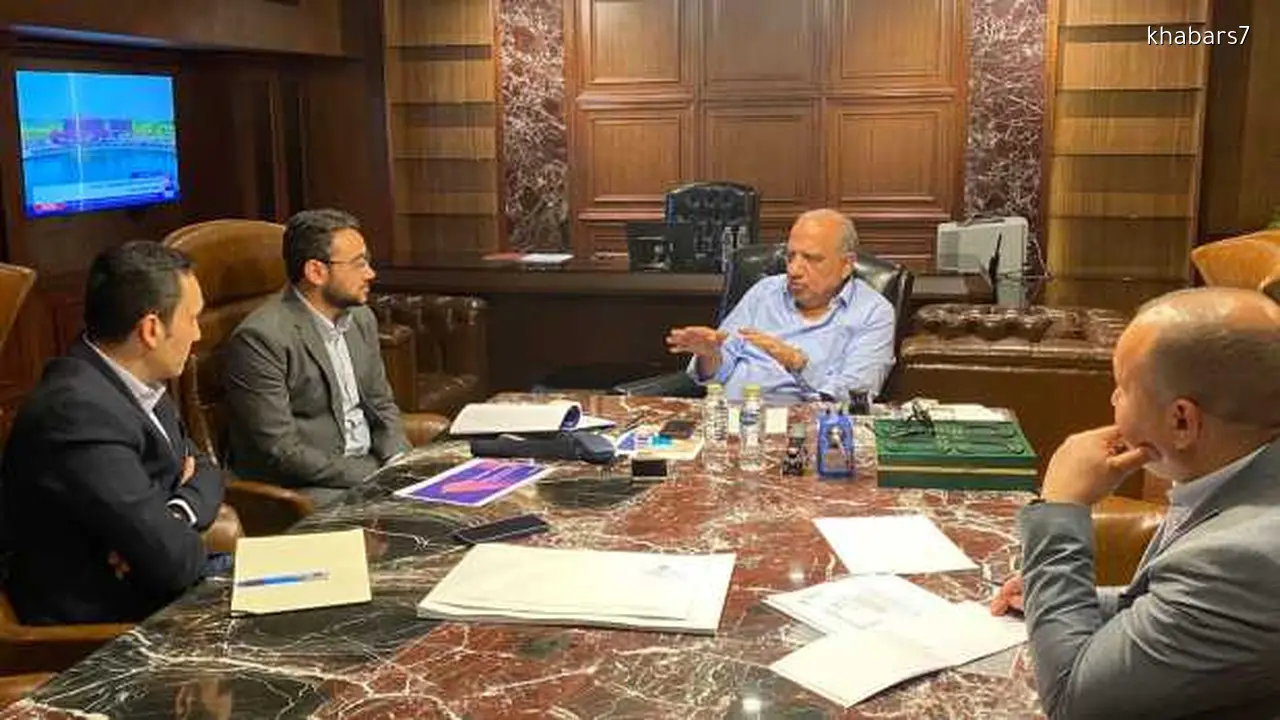
اجتماع وزير الكهرباء.
Dr. Mahmoud Asmat, Egypt’s Minister of Electricity and Renewable Energy, held a meeting at the ministry’s headquarters in Abbassia with a delegation from the Norwegian company Scatec, led by Regional Director Mohamed Amer. The discussions focused on the operational status of the first phase of the Obelisk solar power plant, which has a capacity of 500 megawatts, along with a connected energy storage facility with a capacity of 200 megawatt-hours that were integrated into the grid earlier this year. They also reviewed the progress on the second phase of the plant, which is set to connect to the grid in the coming weeks as part of the plan to introduce new solar and wind energy capacities this summer.
This meeting is part of ongoing efforts to monitor operations and developments in solar and wind energy projects.
During the meeting, Dr. Asmat discussed implementation procedures and timelines for completing renewable energy projects and battery storage initiatives undertaken by Scatec. They reviewed solar and wind energy projects totaling 3,100 megawatts, along with battery storage projects with a capacity of 4,000 megawatt-hours currently being executed in Red Sea Governorate, Qena, Minya, and Alexandria. The discussion included strategies to expedite project implementation steps for the second phase of the Obelisk solar project in Nagaa Hammadi (500 megawatts), a wind energy project in Ras Shuqair (900 megawatts) slated for grid connection by 2027, and a solar project in Minya (1,700 megawatts). Additionally, plans were made for establishing several battery storage plants in Minya, Alexandria, and Qena with a total capacity of 4,000 megawatts. The meeting also addressed the progress on establishing an energy storage battery factory expected to be completed next year with total investments reaching $1.8 billion.
Dr. Asmat praised the successful collaboration and partnerships with Scatec, highlighting their extensive experience in developing renewable energy projects as part of Egypt’s strategy to expand renewable energy usage and enhance battery storage systems. This approach aims to maximize benefits from solar and wind power plants during peak demand times.
He emphasized that the private sector plays a crucial role in implementing electricity sector strategies and reiterated commitments to removing obstacles that may hinder private investment from fulfilling its intended role in national economic growth and energy security for sustainable development. He noted that various measures have been taken to encourage private sector participation in clean energy projects.
Dr. Asmat confirmed that there is continuous monitoring and regular reviews of renewable energy projects at various stages—both operational ones and those still under development—ensuring adherence to established timelines for grid connectivity within the national energy strategy. This strategy aims to increase reliance on clean energy while improving efficiency and accelerating project timelines to raise renewable energy’s contribution to Egypt’s energy mix to 45% by 2028 instead of previously planned 42% by 2030.
He assured that efforts would continue towards supporting and modernizing the unified network while integrating new capacities. This approach is essential for ensuring network flexibility and increasing its ability to accommodate additional renewable energy sources. He highlighted the importance of expanding battery storage systems to maximize returns from renewable energies while stabilizing the grid and reducing fuel consumption. Providing electricity for all uses is fundamental for development plans aimed at enhancing service levels across all sectors. He reiterated that the private sector is a partner in success, with the ministry supporting its leading role in renewable energy initiatives.
Comments