

Abdullah Saleh Kamel Highlights Economic Model Failures at Islamic Economy Summit
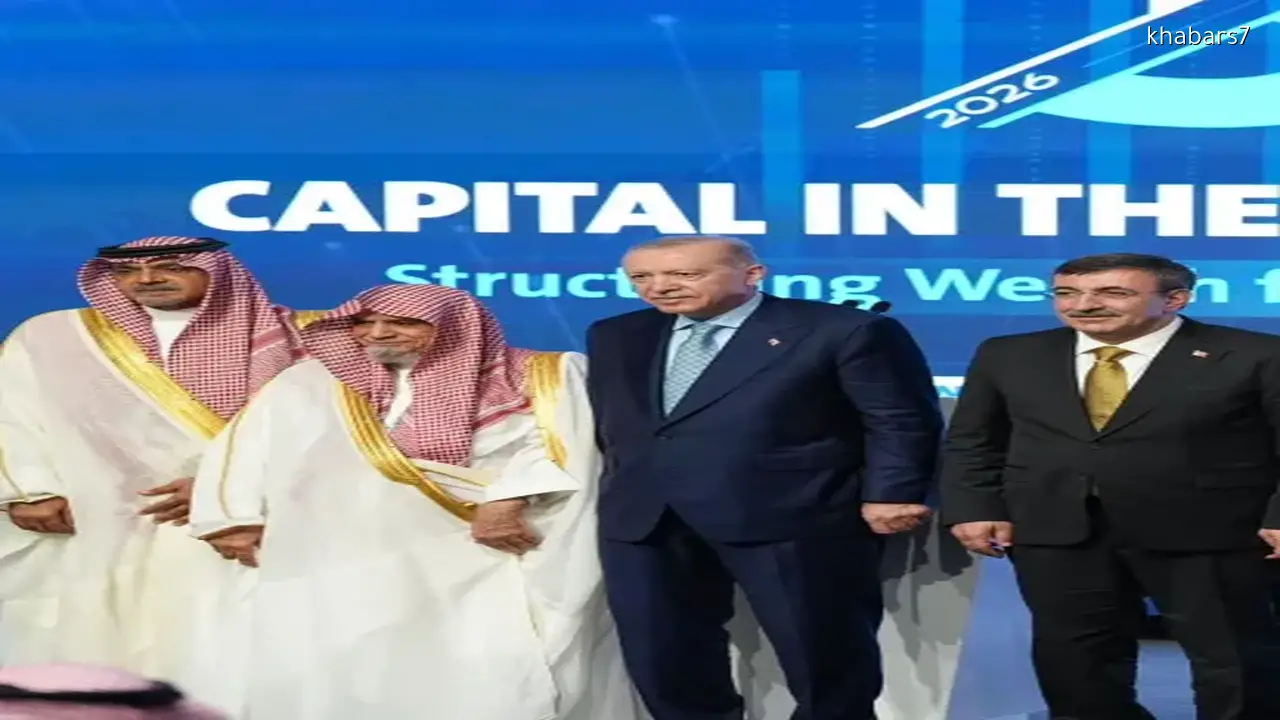
Abdullah Saleh Kamel, President of the Saudi Chambers Federation and the Islamic Chamber of Commerce and Development, addressed the critical issues of wealth concentration and rising sovereign debts during his keynote speech at the Third Global Islamic Economy Summit. He emphasized that these intertwined phenomena reveal significant flaws in the prevailing global economic model. According to Kamel, wealth is increasingly concentrated in the hands of the wealthiest one percent, both within individual nations and globally, leading to a direct consequence where the rich become richer while the poor grow poorer.
This statement was made at the summit held from June 3 to June 6, 2026, in Istanbul, Turkey, under the theme “Capital in Islamic Economy: Structuring Wealth for Sustainable Development.” The event was attended by Turkish President Recep Tayyip Erdoğan and Sheikh Dr. Saleh bin Abdullah bin Hamid, Imam and Khateeb of the Grand Mosque in Mecca, along with other dignitaries.
Kamel further noted that multinational corporations, particularly major technology firms, are increasingly dominating markets. He pointed out that governments and societies are struggling to mitigate their adverse effects.
As an example of this deep-seated imbalance, he mentioned that countries worldwide are now considering imposing age restrictions on social media usage to protect children legally. This move comes after studies revealed severe negative impacts on children’s mental health and behavior, highlighting that the current economic model produces practices beyond governmental control.
Discussing sovereign debt crises, Kamel stated that finance ministers’ primary concern today is managing annual debt servicing costs; addressing the principal debt itself seems beyond their consideration. This situation burdens both stronger and weaker nations alike and underscores profound flaws in the global economic structure.
Kamel identified a root cause of these crises: capital has transformed into a “negative weapon” focused solely on its owner’s profit without regard for its broader consequences, particularly towards vulnerable groups and marginalized communities.
He asserted that Islamic economics offers a fundamentally different framework for capital characterized by three principles: it must generate positive outcomes that create wealth and be spent; it should not be traded as mere currency; and it should not be hoarded or monopolized. Instead, capital should be cultivated through systems of zakat (charity), sadaqah (voluntary charity), and waqf (endowments), aiming not only to benefit Muslims but humanity as a whole.
Comments