

Egypt’s Health Insurance Model Becomes an Inspiring Arab Reform Blueprint
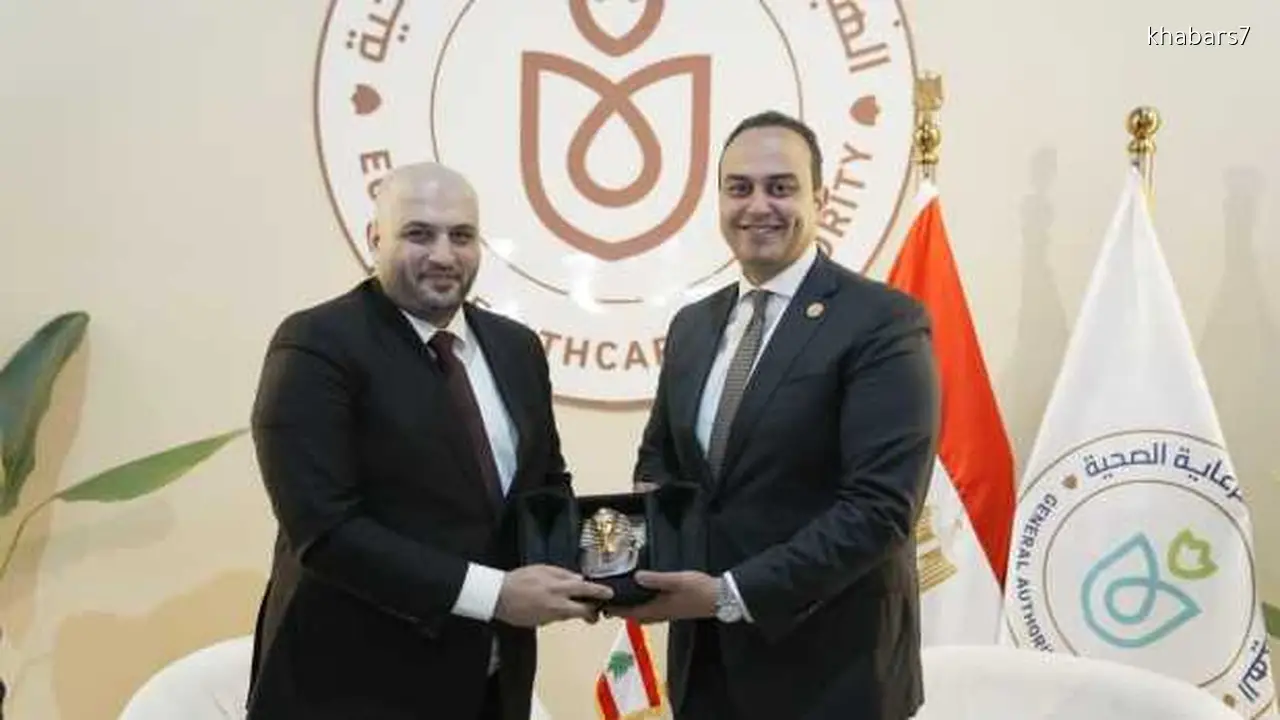
جانب من اللقاء.
Dr. Ahmed El-Sabki, Chairman of the General Authority for Health Care and Supervisor of the Comprehensive Health Insurance Project, met with Dr. Rakan Nasser Al-Din, Lebanon’s Minister of Health, to discuss ways to enhance cooperation and exchange expertise in healthcare and comprehensive health coverage. The meeting also focused on building institutional and human capacities and sharing Egypt’s successful experiences in health system development, alongside exploring opportunities in medical tourism.
This meeting took place during the fifth edition of the Africa Health ExCon 2026 conference and exhibition, attended by Dr. Fadi Alama, President of the Arab Hospitals Federation, and Dr. Alice Yamin Bouez, CEO of the Arab Hospitals Federation and Vice President of the Global Council for Medical Tourism.
During the meeting, Dr. El-Sabki highlighted Egypt’s pioneering experience in comprehensive health reform and the significant achievements made in implementing the comprehensive health insurance system across several governorates including Port Said, Luxor, Ismailia, South Sinai, Suez, and Aswan. He noted that Minya is set to be the first governorate in the second phase of this rollout, demonstrating ongoing progress towards achieving universal health coverage for all citizens.
The discussions also covered prospects for cooperation in healthcare system development, leveraging Egyptian expertise in designing and managing comprehensive health insurance systems, conducting actuarial studies, developing sustainable health financing mechanisms, enhancing primary healthcare services, digital health transformation, training medical and administrative staff, as well as sharing experiences in quality assurance and accreditation.
Dr. El-Sabki emphasized that the General Authority for Health Care is committed to providing all its technical and operational expertise to Lebanon’s leadership as part of Egypt’s political directive to support Arab brotherhood and enhance joint Arab cooperation. He underscored that transferring successful Egyptian experiences to Arab nations contributes to supporting health reform initiatives and achieving sustainable development in the region.
The authority is fully prepared to exchange technical knowledge with Lebanon and provide advisory support across various healthcare domains. Dr. El-Sabki pointed out that sharing Egyptian expertise has become a central aspect of the authority’s regional role following the successes achieved by Egypt’s comprehensive health insurance system.
He further noted that successful implementation of comprehensive health insurance relies on several key components including accurate actuarial studies, understanding real disease burdens, developing sustainable health financing systems, enhancing primary healthcare services, training human resources, and expanding digital transformation while utilizing data for informed decision-making.
Dr. El-Sabki asserted that early implementation of health reform programs is a strategic necessity; delaying reforms exacerbates disease burdens and increases treatment costs for both nations and citizens. He stressed that early investment in prevention, early detection, and primary care leads to more efficient and sustainable health systems capable of meeting future challenges.
The Chairman stated that Egypt’s comprehensive health insurance system has become an inspiring model for health reform across the Arab world and Africa. The General Authority for Health Care has established itself as a regional platform for knowledge sharing and exchanging best practices in managing healthcare services while enhancing quality assurance measures.
The two parties also explored how Lebanon could benefit from elements of success from Egypt’s experience to support efforts aimed at developing its healthcare system according to its sector’s needs and priorities while improving service quality for citizens.
In response, Dr. Rakan Nasser Al-Din outlined features of Lebanon’s healthcare system along with initiatives undertaken by his ministry to enhance service efficiency and improve access to care. He discussed ongoing projects related to health financing as well as primary care services while also highlighting opportunities for collaboration in medical tourism.
The Lebanese Minister commended Egypt’s achievements under President Abdel Fattah El-Sisi’s leadership in reforming its healthcare sector and establishing comprehensive coverage as a leading Arab model worthy of emulation. He praised Egypt’s substantial improvements in healthcare infrastructure quality while building a modern governance-based sustainable health system.
Dr. Al-Din expressed hope for further collaboration with Egypt by leveraging its advanced experiences in comprehensive health insurance management alongside digital transformation efforts while building human capacities within medical tourism.
Dr. Fadi Alama emphasized the importance of enhancing Arab cooperation within the healthcare sector by supporting knowledge exchange among countries which would contribute towards improving regional healthcare systems based on accumulated experiences.
The experience gained from Egypt’s reforms represents one of the most notable successful Arab models which can be utilized regionally to support sustainable health development efforts while preparing national systems against future challenges.
Dr. Alice Yamin Bouez reaffirmed her full support for initiatives aimed at knowledge transfer while promoting partnerships among Arab nations which positively impacts service quality aligning with sustainable development objectives.
The union aims at strengthening integration between Arab health institutions encouraging exchanges of innovations alongside best practices which lead towards building more efficient responsive systems capable of addressing citizen needs; she highlighted the importance of learning from successful models like Egypt’s comprehensive insurance experience along with medical tourism.
Comments