

Egypt’s Higher Education System Experiences Unprecedented Diversity in Study Programs
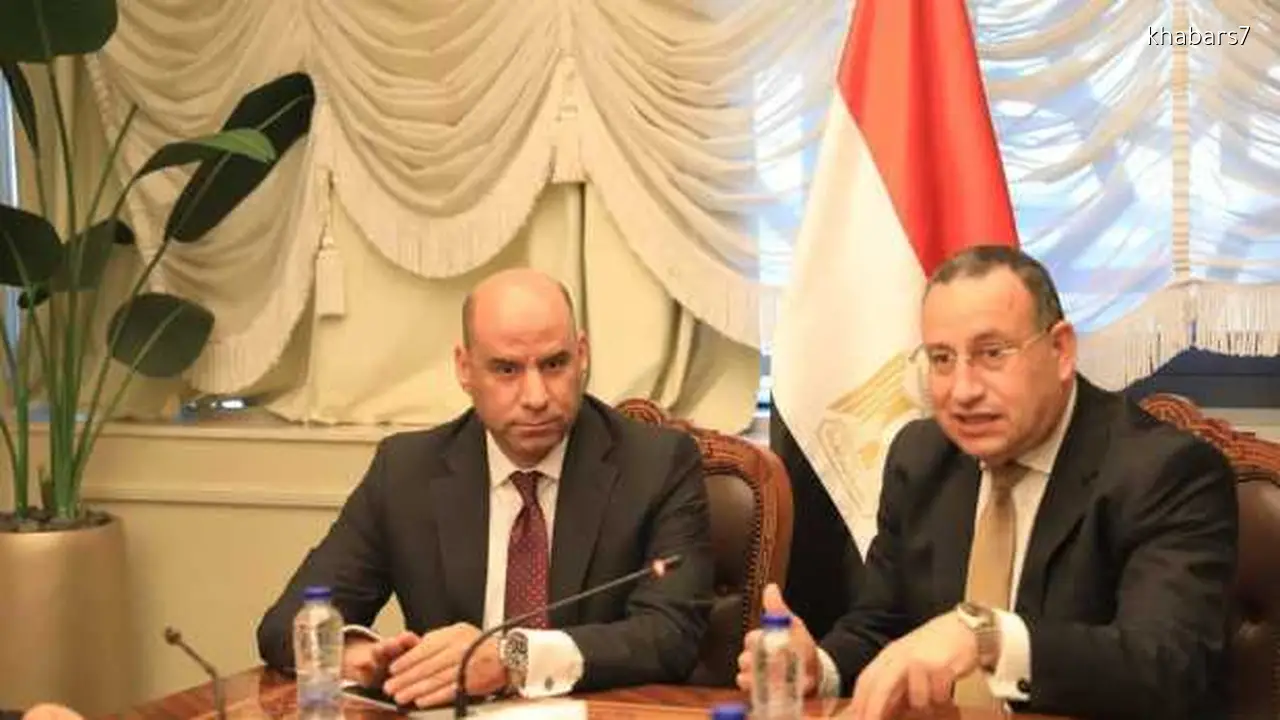
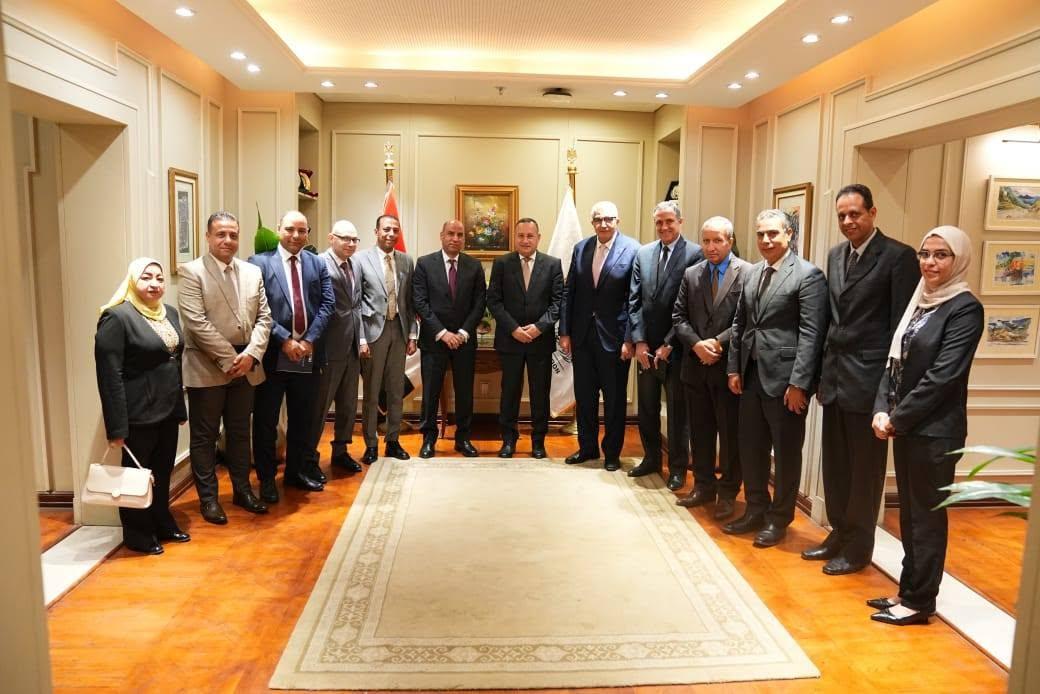
Side of the meeting.
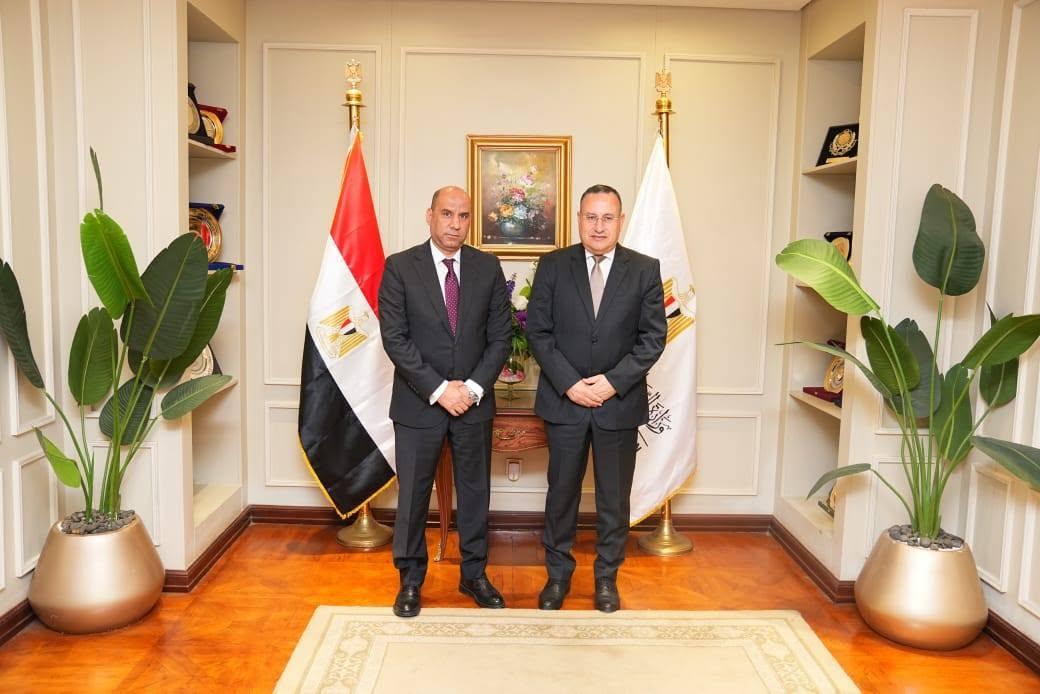
Dr. Abdelaziz Kanso, Egypt’s Minister of Higher Education and Scientific Research, and Hassan Radad, Minister of Labor, have signed a cooperation protocol aimed at implementing accredited diploma and master’s programs in occupational safety and health as well as human resources (HR).
This initiative aligns with directives from President Abdel Fattah El-Sisi to enhance academic and training programs to meet the evolving demands of the job market and to promote integration between educational and training institutions.
During the signing ceremony, the ministers also launched a new national initiative titled “Integrated Employment – Planting Hope” for individuals with disabilities. This initiative aims to provide diverse job opportunities for graduates from 2025 onwards, tailored to their capabilities, whether through direct employment, remote work, or home-based jobs. Opportunities will be distributed across various geographical regions according to each governorate’s needs. A comprehensive database will be established to ensure that a large number of beneficiaries can access these opportunities.
The protocol is part of the state’s strategy to expand applied and technological education, linking education and training with the needs of production and service sectors. It seeks to prepare qualified personnel equipped with both academic knowledge and practical experience necessary to compete in local, regional, and international job markets.
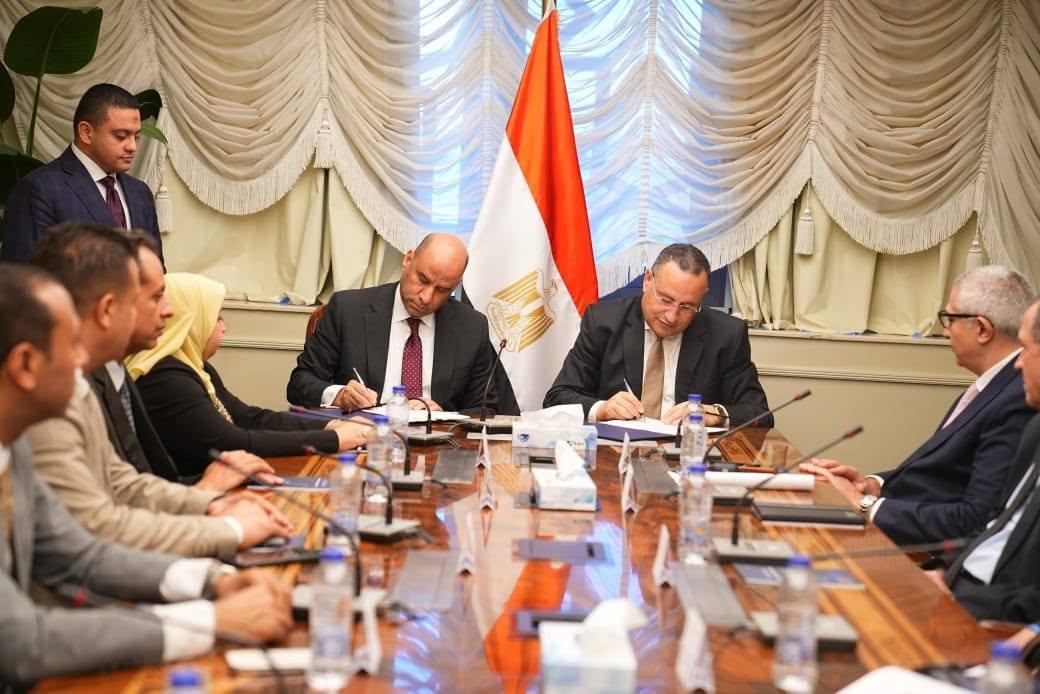
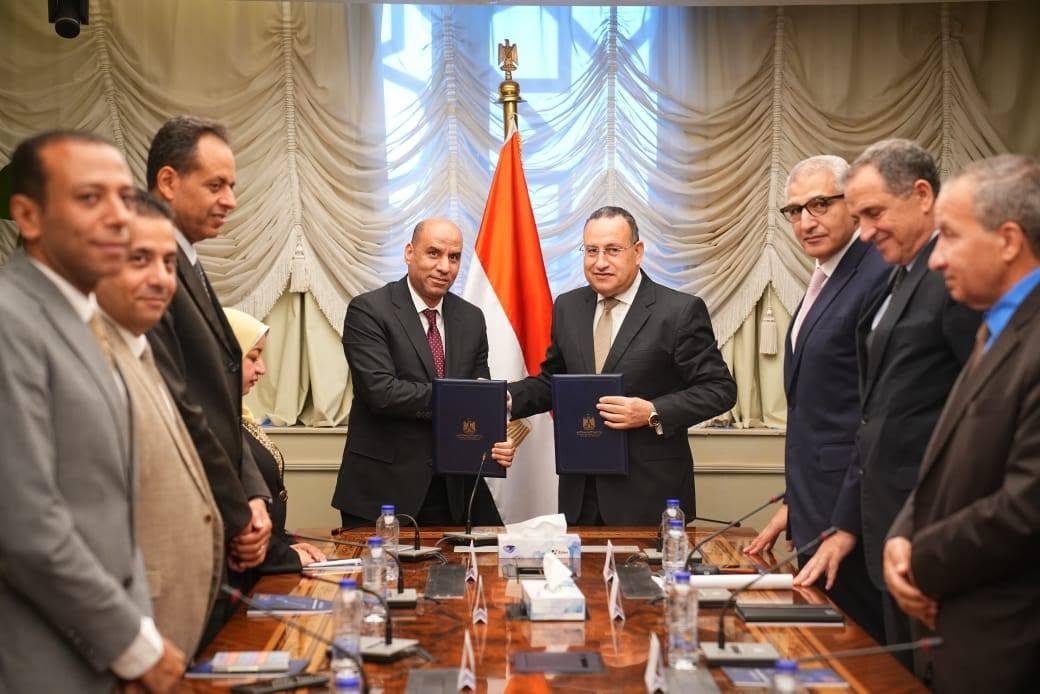
The protocol aims to establish an executive partnership between the Ministry of Labor, represented by the National Center for Occupational Safety Studies and Work Environment Security, along with its vocational training centers, and the Ministry of Higher Education and Scientific Research along with its universities and colleges. This partnership will provide joint educational and training programs in occupational safety, health, and human resources that combine academic foundations with practical training within real work environments.
The collaboration also seeks to align educational outcomes with actual labor market needs by designing programs based on requirements from industrial and service sectors. This will contribute to preparing personnel capable of applying the latest professional standards within various institutions. The protocol includes implementing practical vocational programs for diploma and master’s degrees while providing advanced training pathways for technical personnel holding intermediate or higher qualifications according to applicable academic regulations.
Furthermore, it enhances utilization of available resources and expertise from both sides, particularly leveraging specialized expertise from the National Center for Occupational Safety Studies which supports efforts to improve work environments, promote occupational safety culture, reduce workplace accidents, and enhance productivity across various sectors.
The protocol also supports national efforts aimed at preparing academically qualified professionals who are licensed in their fields and capable of adapting to rapid changes in labor markets. This contributes to enhancing the competitiveness of Egyptian human resources while supporting sustainable development goals.
The protocol stipulates forming a joint high executive committee comprising representatives from both parties responsible for monitoring implementation plans, proposing mechanisms for development and expansion in cooperation areas, and overcoming any obstacles that may arise during execution. This ensures achieving desired goals from the protocol while maximizing benefits from available resources on both sides.
Dr. Abdelaziz Kanso emphasized that this protocol exemplifies integration between educational institutions in preparing specialized personnel equipped with both academic knowledge and practical experience. He noted that his ministry is placing significant emphasis on expanding professional and applied programs that respond to development needs as well as labor market demands.
He added that Egyptian universities—whether governmental, private or branches of foreign universities—offer competitive academic and professional programs adhering to international standards. The Egyptian higher education system is witnessing unprecedented diversity in study programs that cater to local, regional, and international labor market needs while enhancing graduates’ competitiveness across various global markets.
The Minister indicated that the Strategic Planning Center for Training and Employment will serve as a supportive institutional brain aligning educational outputs with labor market needs by providing accurate databases, analyses, and indicators contributing to developing academic disciplines linked with future job opportunities. This ensures preparing graduates equipped with required skills across different economic sectors.
Dr. Abdelaziz Kanso also mentioned expanding international partnerships in technological education. He clarified that his ministry is collaborating with Italy on establishing three technological universities while developing joint specialties based on modern international standards. This ensures graduates possess necessary skills aligned with regional and international labor markets while providing students an integrated educational experience combining academic study with practical application leading them toward internationally recognized qualifications competitive across various global markets.
These partnerships include implementing advanced training programs in cooperation with leading Italian institutions specializing in ensuring students acquire practical experiences alongside globally required professional skills. The primary goal is bridging gaps between educational outputs and labor market requirements so that graduates possess an academic degree supported by a comprehensive set of skills alongside practical experiences.
The minister affirmed these efforts aim at providing training opportunities for approximately 150 thousand students annually in collaboration with Coursera which enhances graduates’ readiness for entry into local or international labor markets while establishing Egypt’s position as a regional hub for education, training, and human capacity building.
Dr. Abdelaziz Kanso noted that vocational training centers under the Ministry of Labor will be accessible for university students during summer breaks enabling them to benefit from specialized training programs offered which contributes towards enhancing students’ practical skills boosting their readiness for entering labor markets before graduation. He added his ministry works alongside Ministry of Labor utilizing vocational training centers under its umbrella for training university students enrolled in technological universities promoting integration between academic study along practical application contributing towards preparing graduates possessing technical skills needed within local or international job markets.
On his part, Hassan Radad stressed this protocol represents a new step towards solidifying partnerships among educational institutions regarding training alongside employment ensuring preparation among specialized personnel within occupational safety as well as human resources according latest professional standards reflecting evolving demands within labor markets emphasizing Ministry’s commitment towards leveraging its available technical capabilities alongside workforce databases supporting implementation ensuring producing graduates possessing requisite skills applicable fulfilling industrial/service sector requirements enhancing workplace safety levels improving efficiency across various sectors.
He further added launching “Integrated Employment – Planting Hope” initiative targeting individuals with disabilities along promoting top ten university graduates yearly aligns state vision investing into human capital transforming educational outputs into genuine productive employment opportunities affirming Ministry’s dedication through labor directorates alongside overseas employment offices sourcing appropriate job placements connecting distinguished Egyptian talents against local/regional/international labor market needs.
Minister Radad affirmed developing qualified personnel within both human resource management & occupational safety remains one key pillars enhancing competitiveness among Egyptian enterprises improving workplace environments increasing productivity positively impacting national economy supporting sustainable development initiatives.
Present at signing ceremony representing Ministry Of Higher Education were Dr.Mostafa Refaat Secretary General Of Supreme Council Of Universities; Dr.Ahmed El-Giochi Acting Head Of Educational Sector And Secretary Of High Institute Council For Special Institutions And Technological Education; Dr.Sayed El-Sharkawy Head Of Basic Sciences Sector; Dr.Atef Omar Legal Advisor To The Minister; Dr.Adel Abdel-Ghaffar Media Advisor And Official Spokesman For The Ministry.
From Ministry Of Labor representatives included Yasmin Mamdouh Head Central Department For Vocational Training; Mohamed Kamal Head Central Information Department And Digital Transformation; Yasser Sherbini Head Central Department For Workforce Care; Reda Al-Arabi General Supervisor National Center For Occupational Safety Studies; Hend Mohamed Director General Market Information Department; Dr.Ahmed Farouk Assistant Professor Business Administration Faculty Commerce Beni Suef University; Hossam Mohamed Senior Financial Affairs Specialist At National Center For Occupational Safety Studies.
Comments